

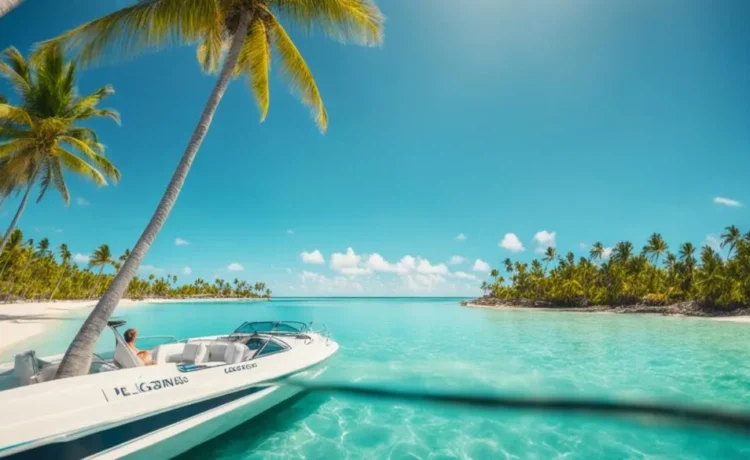

The Caribbean has a way of capturing the imagination long before you arrive. Crystal-clear water, warm breezes, and soft stretches of white sand often define the experience on the surface. Yet just beyond the shoreline lies a world that many visitors never see. For those curious about what exists beneath the waves, the opportunity to try scuba diving in Punta Cana opens the door to an entirely different side of the Dominican Republic.
Even travelers who have never worn a mask or fins can discover the vibrant underwater landscapes that surround this region. Coral formations, tropical fish, and gentle ocean currents create a setting that feels almost surreal, especially for first-time divers. Punta Cana’s calm waters and warm temperatures make it one of the most welcoming places in the Caribbean to take that first underwater breath.
The Unique Appeal of Punta Cana’s Underwater World
Punta Cana is best known for its beaches and all-inclusive resorts, but the ocean itself is just as compelling as the shore. Beneath the turquoise surface lies an ecosystem that reflects the diversity of the Caribbean Sea. Coral reefs stretch along sections of the coast, offering shelter to countless marine species.
For beginners, these reefs are ideal environments. The water visibility is often excellent, and the currents tend to be manageable, allowing divers to move comfortably while observing marine life. Parrotfish glide past coral formations, schools of small tropical fish shimmer in the sunlight, and occasionally a stingray drifts across the sandy seabed.
Because of these natural conditions, the region has become a popular destination for people who want to try scuba diving in Punta Cana for the first time. The underwater scenery feels accessible rather than intimidating, which helps many newcomers relax and focus on the experience.
Why First-Time Divers Choose Punta Cana
Trying scuba diving for the first time can feel like stepping into unfamiliar territory. The equipment, the breathing technique, and the idea of descending beneath the surface all carry a sense of mystery. Yet Punta Cana’s environment helps reduce those concerns.
The water temperature remains warm year-round, often hovering between 26 and 29 degrees Celsius. That warmth means divers typically require minimal exposure protection, making the experience more comfortable. Visibility frequently extends 20 meters or more, which creates a sense of openness rather than confinement underwater.
Equally important is the variety of shallow dive sites. Many beginner-friendly reefs sit within manageable depths, allowing newcomers to explore the underwater world without descending too far. These conditions make it easier for travelers to focus on learning the basics while still enjoying the surrounding scenery.
What Happens During a First Scuba Experience
For those who decide to try scuba diving in Punta Cana, the experience usually begins on land. Instructors typically start with a simple introduction to the equipment and the basic principles of underwater breathing. Learning how the regulator works and how to equalize pressure in the ears helps divers feel more confident before entering the water.
Once the fundamentals are covered, the next step often involves practicing a few skills in shallow water. This stage allows beginners to become familiar with breathing through the regulator and moving slowly underwater. Many first-time divers are surprised by how natural it feels after just a few minutes.
The real magic begins when the group moves toward the reef. As the water deepens slightly and the coral formations come into view, the environment changes from a practice space to a living underwater landscape. Fish begin to appear from every direction, and the reef reveals intricate patterns of color and texture.
Even a short introductory dive can leave a lasting impression.
Marine Life You Might Encounter
The waters surrounding Punta Cana support a wide range of marine species, many of which are visible even on shallow dives. Coral reefs function as bustling underwater neighborhoods, where fish and invertebrates interact in fascinating ways.
Angelfish and butterflyfish are among the most recognizable residents of these reefs. Their bright colors and distinctive shapes make them easy to spot. Parrotfish, with their beak-like mouths, spend much of their time nibbling on coral and algae, creating the sand that eventually forms Caribbean beaches.
Divers might also encounter sea fans swaying gently with the current or small crabs hiding among coral crevices. Occasionally, a sea turtle or stingray appears, gliding gracefully through the water.
For beginners, these encounters transform the dive from a technical activity into an immersive nature experience.
The Sensory Experience of Diving
Descriptions of scuba diving often focus on what you see, but the experience involves more than just visual exploration. Sound behaves differently underwater, and the usual noises of daily life disappear. Instead, divers hear the steady rhythm of their own breathing through the regulator.
Movement also feels different. Buoyancy allows divers to hover effortlessly, drifting above the reef as though gravity has been temporarily suspended. With each gentle kick of the fins, the underwater world unfolds a little further.
Sunlight filters through the surface in shifting patterns, illuminating coral formations and fish in constantly changing ways. These sensory details combine to create an environment that feels calm, almost meditative.
For many travelers, this peaceful atmosphere becomes the most memorable part of the dive.
A Gentle Introduction to Ocean Conservation
Trying scuba diving often leads to a deeper appreciation for marine ecosystems. Seeing coral reefs up close reveals just how complex and delicate these environments can be.
Corals themselves are living organisms that form the foundation of reef ecosystems. They provide shelter and food for countless species, making them essential to ocean biodiversity. Observing these structures firsthand often inspires divers to think more carefully about ocean health and environmental responsibility.
Many dive instructors incorporate brief discussions about reef protection, encouraging divers to maintain proper buoyancy and avoid touching coral. These small actions help preserve the underwater world for future visitors.
In this way, the simple decision to try scuba diving in Punta Cana can also become a gateway to greater environmental awareness.
When the Curiosity Becomes a Passion
For some travelers, a single dive satisfies their curiosity about the underwater world. For others, it sparks a new interest that continues long after the vacation ends.
Scuba diving offers a unique perspective on the planet. It allows people to explore environments that remain hidden from everyday view. Once someone experiences the sensation of breathing underwater and drifting above a coral reef, the desire to dive again often follows naturally.
Punta Cana’s accessible conditions make it a common starting point for that journey. Many divers trace their first underwater memories back to a calm Caribbean reef and the moment they realized the ocean held far more than they had imagined.
Where to Begin the Experience
For travelers considering their first underwater adventure, local dive programs offer guided introductions designed specifically for beginners. These experiences provide the training and supervision needed to safely explore the ocean while keeping the focus on discovery rather than technical complexity.
Those interested in learning more about how to try scuba diving in Punta Cana can find introductory experiences that combine basic instruction with a guided reef dive, offering a structured way to encounter the underwater world for the first time.
Conclusion
Punta Cana’s beaches may draw visitors to the Dominican Republic, but the ocean itself holds an entirely different story beneath its surface. Coral reefs, tropical fish, and the quiet rhythm of underwater exploration reveal a side of the Caribbean that many travelers never expect.
For beginners, the chance to try scuba diving in Punta Cana offers more than a recreational activity. It provides a glimpse into a hidden ecosystem and a moment of connection with the natural world. The experience often lasts less than an hour, yet the memory of floating above a living reef can stay with someone for years.
In the end, the most remarkable part of scuba diving is not the equipment or the technique. It is the simple realization that an entire world exists just below the surface-waiting patiently for those curious enough to explore it.
