

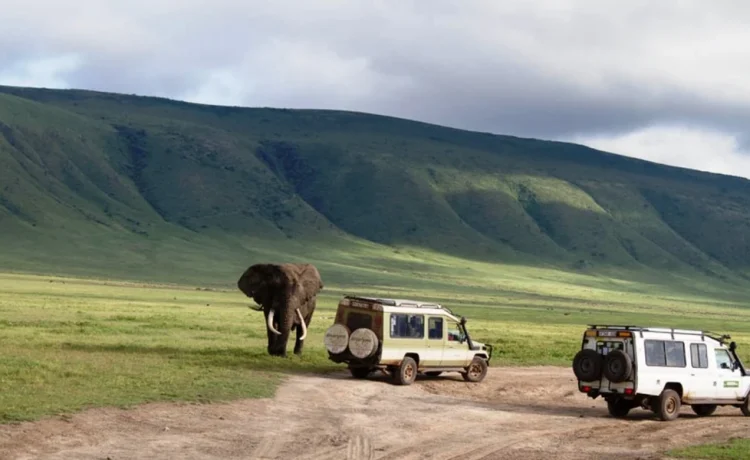

A Ngorongoro Crater Safari is one of the most extraordinary wildlife experiences in Africa. Located in northern Tanzania, the Ngorongoro Crater is the world’s largest intact volcanic caldera and a UNESCO World Heritage Site. Renowned for its breathtaking scenery, rich biodiversity, and exceptional game viewing, the crater attracts travelers from around the globe who seek an unforgettable safari adventure. Whether you are a first-time visitor or a seasoned wildlife enthusiast, a safari in the Ngorongoro Crater offers an unparalleled opportunity to witness Africa’s iconic animals in a spectacular natural setting.
What Makes the Ngorongoro Crater Unique?
Formed nearly three million years ago after the collapse of a massive volcano, the Ngorongoro Crater spans approximately 260 square kilometers (100 square miles) and reaches depths of over 600 meters. This natural enclosure creates a self-contained ecosystem that supports an impressive concentration of wildlife throughout the year.
Unlike many other safari destinations where animals migrate seasonally, the Ngorongoro Crater is home to a largely resident wildlife population. The permanent availability of water and abundant vegetation provide ideal conditions for animals to thrive, making every game drive rewarding regardless of the season.
Incredible Wildlife Encounters
One of the biggest attractions of a Ngorongoro Crater Safari is the opportunity to see the famous Big Five-lion, leopard, elephant, buffalo, and the endangered black rhinoceros. The crater is one of the few places in East Africa where visitors have an excellent chance of spotting black rhinos in their natural habitat.
The crater floor also supports large populations of zebras, wildebeest, gazelles, warthogs, hippos, hyenas, jackals, and cheetahs. Predators are abundant, with lion prides frequently seen resting on the open plains while hyenas patrol the grasslands in search of food.
Bird lovers will also appreciate the crater’s remarkable diversity. More than 500 bird species have been recorded in the conservation area, including flamingos that gather on Lake Magadi, crowned cranes, ostriches, secretary birds, and numerous birds of prey.
The Safari Experience
Most Ngorongoro Crater Safari begin early in the morning, allowing visitors to maximize wildlife viewing before temperatures rise. Guided game drives descend the steep crater walls and explore a variety of habitats, including open grasslands, freshwater springs, forests, swamps, and soda lakes.
Professional safari guides use their extensive knowledge to track wildlife and explain animal behavior, local ecology, and the geological history of the crater. The combination of dramatic landscapes and close wildlife encounters makes every safari drive an exciting and educational experience.
Photography enthusiasts will find endless opportunities to capture stunning images of wildlife against the backdrop of lush forests, sparkling lakes, and towering crater walls.
Best Time to Visit
One of the greatest advantages of the Ngorongoro Crater is that it offers excellent wildlife viewing throughout the year. However, the dry season from June to October is generally considered the best time to visit. During these months, vegetation is shorter, making animals easier to spot, while clear skies provide ideal conditions for photography.
The green season, from November to May, transforms the crater into a vibrant landscape filled with fresh vegetation and colorful wildflowers. This period is also excellent for birdwatching, as migratory bird species arrive in the area. Although occasional rain showers occur, wildlife remains abundant year-round.
Combining Ngorongoro with Other Safari Destinations
Many travelers include the Ngorongoro Crater as part of Tanzania’s famous Northern Safari Circuit. It pairs perfectly with nearby destinations such as Serengeti National Park, Tarangire National Park, and Lake Manyara National Park, creating a diverse safari itinerary featuring different landscapes and wildlife experiences.
Visitors can also enjoy cultural experiences by meeting the Maasai people, who have lived in harmony with wildlife within the Ngorongoro Conservation Area for generations. Learning about their traditions, customs, and pastoral lifestyle adds a meaningful cultural dimension to the safari.
Tips for Planning Your Safari
To make the most of your Ngorongoro Crater Safari, wear comfortable clothing in neutral colors, bring sunscreen, insect repellent, sunglasses, binoculars, and a camera with extra batteries. Mornings can be cool due to the crater’s high elevation, so a light jacket is recommended.
Booking with a reputable safari operator ensures knowledgeable guides, comfortable transportation, and well-planned itineraries that maximize wildlife viewing opportunities while supporting responsible tourism and conservation efforts.
Conclusion
A Ngorongoro Crater Safari offers an exceptional blend of breathtaking scenery, remarkable wildlife, and unforgettable adventure. From spotting the Big Five and observing endangered black rhinos to exploring one of the world’s most unique volcanic landscapes, every moment inside the crater is filled with wonder. Whether experienced as a standalone destination or combined with Tanzania’s other iconic national parks, the Ngorongoro Crater remains one of Africa’s finest safari experiences. For travelers seeking authentic wildlife encounters and spectacular natural beauty, a Ngorongoro Crater Safari promises memories that will last a lifetime.
