

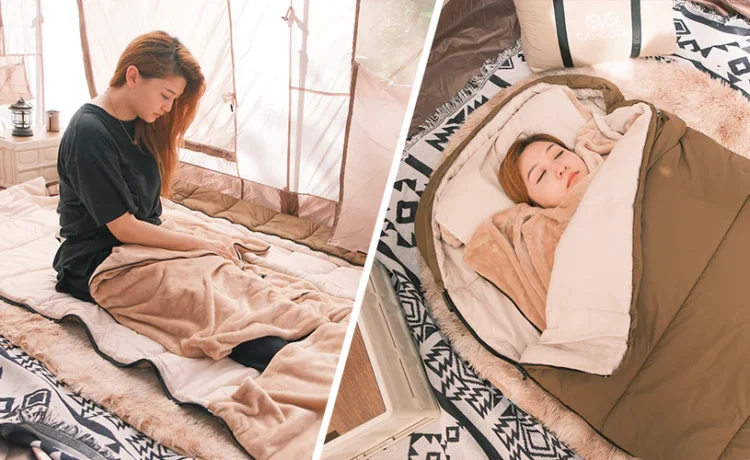

When planning any outdoor overnight, the most decisive piece of equipment is often the one that stays with you all night: the sleeping bag. A warm sleeping bag does much more than simply cover you — it creates a controlled microclimate that preserves your body heat, manages moisture, and directly affects how well you sleep and recover. Whether you are taking a car-camping weekend, a multi-day backpacking route, or a solo trip to a quiet lakeside, choosing an insulated sleeping bag that balances warmth, weight, and packability will shape your experience. This guide walks through why warmth matters, how modern compact designs help mobility, and which construction features will give you reliable comfort in cold conditions.
Why warmth matters in the outdoors
Outdoor temperatures can fall quickly after sunset, and sleeping unprotected or with inadequate insulation can turn a restorative night under the stars into a shivering, restless ordeal. Heat loss occurs through conduction to the ground, convection from exposed air, and radiation from uninsulated body parts; a properly designed 暖かい寝袋 addresses each of these pathways. Beyond comfort, maintaining a safe sleeping temperature reduces the risk of fatigue, impairs decision-making less the following day, and in extreme cases, helps guard against cold-related health issues. For campers who want predictable performance regardless of sudden nighttime dips, investing in reliable insulation is not optional — it’s essential for safety and enjoyment.
Compact designs built for modern campers
Recent advances in insulation materials and manufacturing allow high-performing sleeping bags to compress into remarkably small sizes, meaning you no longer need to sacrifice warmth for portability. These compact designs come with compression sacks or integrated stuff sacks that reduce volume, enabling backpackers and cycle-campers to allocate space for cooking gear, extra clothing, or emergency kits. The shell fabrics used today are lighter and more weather-resistant, and insulation technologies retain loft and thermal efficiency even when packed tightly. The result is a practical sleeping system that supports active travel styles: easy to stow, easy to carry, and ready to deliver heat when it matters most.
Why they’re ideal for solo camping
When camping alone, every piece of equipment must pull its weight — there is no one to share a sleeping bag or supply backup gear. Warm sleeping bags designed for solo use are often narrower and more ergonomic, which reduces the interior air volume that your body must heat, making them naturally more efficient. Their compactness simplifies a solo camper’s packing checklist and allows for a lighter overall load without compromising thermal performance. Having confidence in your sleeping system also reduces mental strain: knowing you can stay warm through the night lets you focus on navigation, safety, and enjoying the solitude rather than worrying about basic comfort.
Construction and insulation: what actually keeps you warm
The warmth of a sleeping bag depends on layered design, the quality of insulation, and small details that prevent heat loss. Insulation can be synthetic or down-like in function; high-loft fibers trap pockets of warm air while breathable inner linings reduce moisture buildup from sweating. Effective designs incorporate draft collars, insulated zipper baffles, and adjustable hoods to minimize escapes of warm air. Outer shells that resist light moisture help protect loft and thermal efficiency, while internal fabrics focus on comfort against the skin. When these construction elements work together, the bag forms a stable microclimate — maintaining warmth while avoiding clamminess, which is crucial for real-world camping conditions.
Space-saving benefits for multi-day adventures
On longer treks or cross-country trips, packing efficiently can make the difference between an enjoyable journey and one weighed down by poor planning. A warm sleeping bag that compresses down to a small, reliable package frees room for food, fuel, clothing layers, and personal hygiene items. That compactness also speeds up daily routines; packing and unpacking the bag becomes a quick task, leaving more time for route planning or enjoying the campsite. Additionally, a small but effective sleeping bag enables flexible gear choices — you can add a スリープパッド for extra insulation or a lightweight liner for added warmth without exceeding your pack weight limits.
How a warm sleeping bag improves sleep quality outdoors
Restful sleep is the foundation of a good trip. After long days on the trail, your muscles need uninterrupted recovery, and your mind benefits from restorative sleep cycles. A warm sleeping bag that keeps your body temperature stable reduces nighttime awakenings and helps you enter deeper stages of sleep more quickly. Consistent warmth also decreases the need for bulky clothing during sleep, which can restrict movement and make it harder to settle. Ultimately, when you wake rested and warm, you are more alert, safer on the trail, and able to enjoy the day’s activities to their fullest.
Versatility across camping styles and seasons
A quality warm sleeping bag isn’t limited to one niche; it supports a wide range of activities and seasonal needs. For car campers, it delivers comfort with minimal concern for pack size; for backpackers, it balances weight and insulation; and for cold-season adventurers it provides essential thermal protection. Even in shoulder seasons, nights near water or at higher elevations can become surprisingly cold, making an insulated bag a year-round asset. Choosing a model with adaptable features — like a removable liner or a temperature rating that matches your typical destinations — increases the bag’s usefulness across trips.
Conclusion — A foundational investment for outdoor comfort
A warm sleeping bag is more than a single camping item; it is the backbone of comfortable, safe, and enjoyable outdoor overnighting. By prioritizing insulation quality, compactness, and informed construction choices, you can select a sleeping system that supports solo trips, multi-day adventures, and a broad range of camping styles. When your nights are warm and your sleep is solid, the rest of the trip falls into place — and you’re free to focus on the parts of the outdoors that matter most.
