

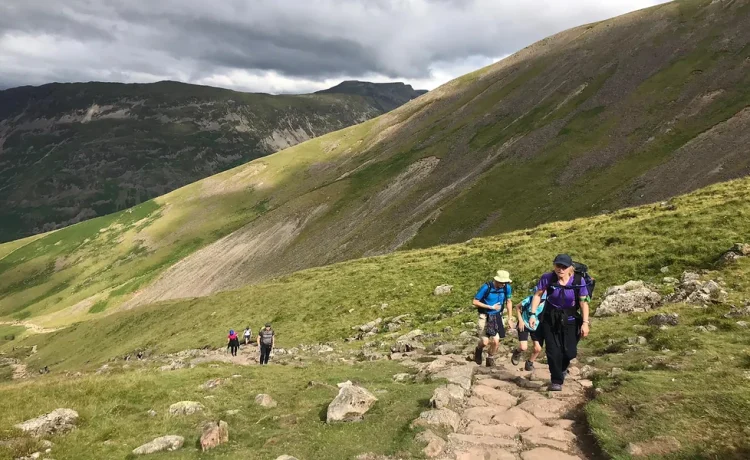

Moving as fast as possible is seldom the goal of mountain walking. Maintaining a sustainable rhythm, conserving energy, and making wise choices as the terrain becomes harder are much more important for a successful climb. Energy may be progressively depleted by Scafell Pike’s high parts, rough terrain, shifting slopes, and erratic weather. The whole trip may be made more bearable and pleasurable by learning how to regulate effort from the start.
Start Slower Than You Believe Is Necessary
Starting too soon is one of the simplest errors. Excitement and new legs might make the first part seem easier than it really is, encouraging walkers to keep up a pace that becomes harder later. Starting cautiously keeps breathing under control while allowing muscles to gradually warm up.
For participants in the 3 Peaks Challenge UK, where energy management must go beyond a single peak, this becomes especially crucial. While a quick start could save a few minutes at first, too much effort might lead to tiredness that interferes with subsequent phases. In the early stages of the climb, try to maintain a pace that seems almost purposefully easy.
Choose A Rhythm That Fits The Gradient
Walking at precisely the same speed the whole way is not what is meant by a constant pace. The surface and grade should cause your pace to naturally vary. Because they lessen needless pressure on the legs, shorter steps are sometimes more effective on steep climbs. Slightly longer steps may help sustain progress without significantly raising effort on softer terrain.
Instead of concentrating just on speed, try to maintain a regular breathing pattern. Your speed can be too fast if you often have to stop because you’re out of breath. Because fewer lengthy recuperation periods are needed, slowing down a little may often lead to greater overall development.
Take Note Of Other Major Peaks’ Demands
Walkers who are also Climbing Ben Nevis may observe that each mountain imposes distinct physical challenges. A pace plan that works well on one route may not work as well on another. Performance may be affected by a variety of factors, including gradient, terrain, weather, cumulative weariness, and the length of time spent walking.
Pay attention to how your body reacts rather than attempting to maintain a certain pace under all circumstances. It’s typically simpler to adjust early than to attempt to recover after exhaustion.
Before You Feel Empty, Fuel
It’s easy to ignore the need for meals until exhaustion becomes apparent since energy levels might drop gradually. A more steady source of energy may be maintained by eating small quantities on a regular basis. Snacks that are easily available are helpful because they enable walkers to replenish without making each meal break a long halt.
When climbing Scafell Pike, take meals that are easy to consume in changeable or exposed environments. Convenient energy sources include bananas, sandwiches, dried fruit, cereal bars, almonds, and similar foods. Foods that have been tried and proven during training walks are typically better than unknown possibilities, but the precise selections depend on personal liking.
Drink Frequently Instead Of Waiting To Be Thirsty
Energy management and hydration are tightly related. Even minor dehydration may impair focus and make exercise seem more difficult. It’s usually more sensible to have little, frequent drinks rather than occasional huge ones.
Determining hydration requirements might be challenging depending on the weather. Even though the body is still losing fluid via effort, cool or breezy weather might lessen the feeling of thirst. Having water on hand facilitates frequent drinking and lessens the temptation to put off staying hydrated.
Conserve Energy For The Drop
The physical effort does not end when you reach the peak. It takes balance, focus, and muscle control to descend rough terrain. Particularly on slippery or uneven ground, tired legs might make foot placement less accurate.
Instead of using up all of your energy during the climb, save some for later. Choose secure footing, slow down when the ground gets uncomfortable, and stay focused even as you get closer to gentler terrain. The ultimate goal of effective pacing is to finish the whole mountain trek with sufficient mental and physical stamina to proceed confidently from start to finish.
